Welcome to Destination Visits, where we take you along on our travels to historic hotels around the world. In this series, I’ll share our personal experiences staying at these properties—exploring their history and architecture, highlighting the essential spots you shouldn’t miss, and pointing you toward other worthwhile destinations nearby. These are the places where heritage hospitality comes alive, and we are excited to show you what makes each one worth the journey.
On Main Street, a mere block from the Mississippi River, in the town of Red Wing, Minnesota stands the St. James Hotel.
The four-story brick building fits seamlessly into the small town, which boasts numerous historically recognized landmarks—many clustered in the blocks surrounding the hotel.
Located near both the train station and the Mississippi River waterfront, and situated in the heart of the central business district, the St. James has served as a gathering place for locals and travelers alike since its opening.
Pre-Restoration St James HotelThe St. James in 2025
The History of the St. James
In 1874 a group of eleven local businessmen pooled resources together to build a hotel to support the growing industrial town. While only about 5,000 individuals lived in Red Wing, the area was a massive wheat producer. In 1873 the county was responsible for selling more wheat than any other county in the United States.
The hotel was designed by Edward P. Bassford in an Italianate architectural style. Opening in 1875, it quickly became the premier spot in the town and the region for lodging and dining.
Sitting U.S. President Rutherford B. Hayes even stopped at the hotel in 1878 and gave a speech from the veranda.
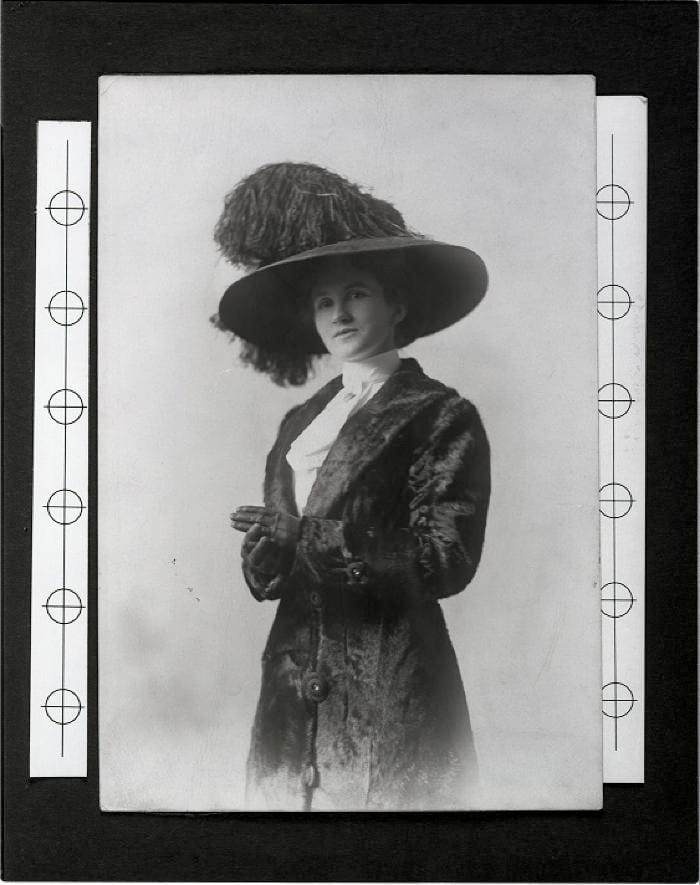
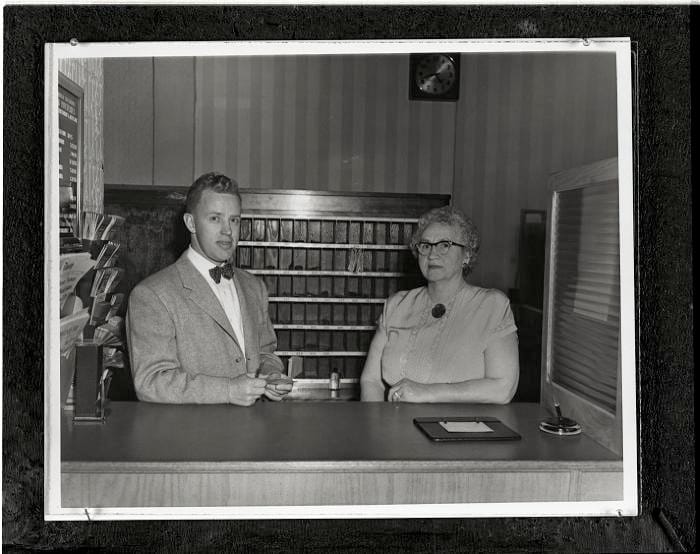
As the railroad industry reshaped the prosperity of the town, the ownership of the St. James Hotel shifted Charles Lillyblad in 1909. Yet it was five years later when Clara Nelson began employment as a waitress at the St. James that the next era of the hotel began. A whirlwind romance and marriage between her and Charles resulted in Clara having a notable role in the direction of the property. Including taking the restaurant in the hotel and elevating into one of the best in the state.
Upon Charles’ death in 1931, Clara took full control of the hotel and did so until her own passing in 1972. Not only was this a remarkable run of proprietorship, she also did so at a time when women did not traditionally hold this role.
After over 70 years of Lillyblad ownership the business was sold to the Red Wing Shoe Company in 1977. Under their management the hotel has undergone renovations while continuing to celebrate the historic role that the St. James has played in Red Wing for a century and a half.
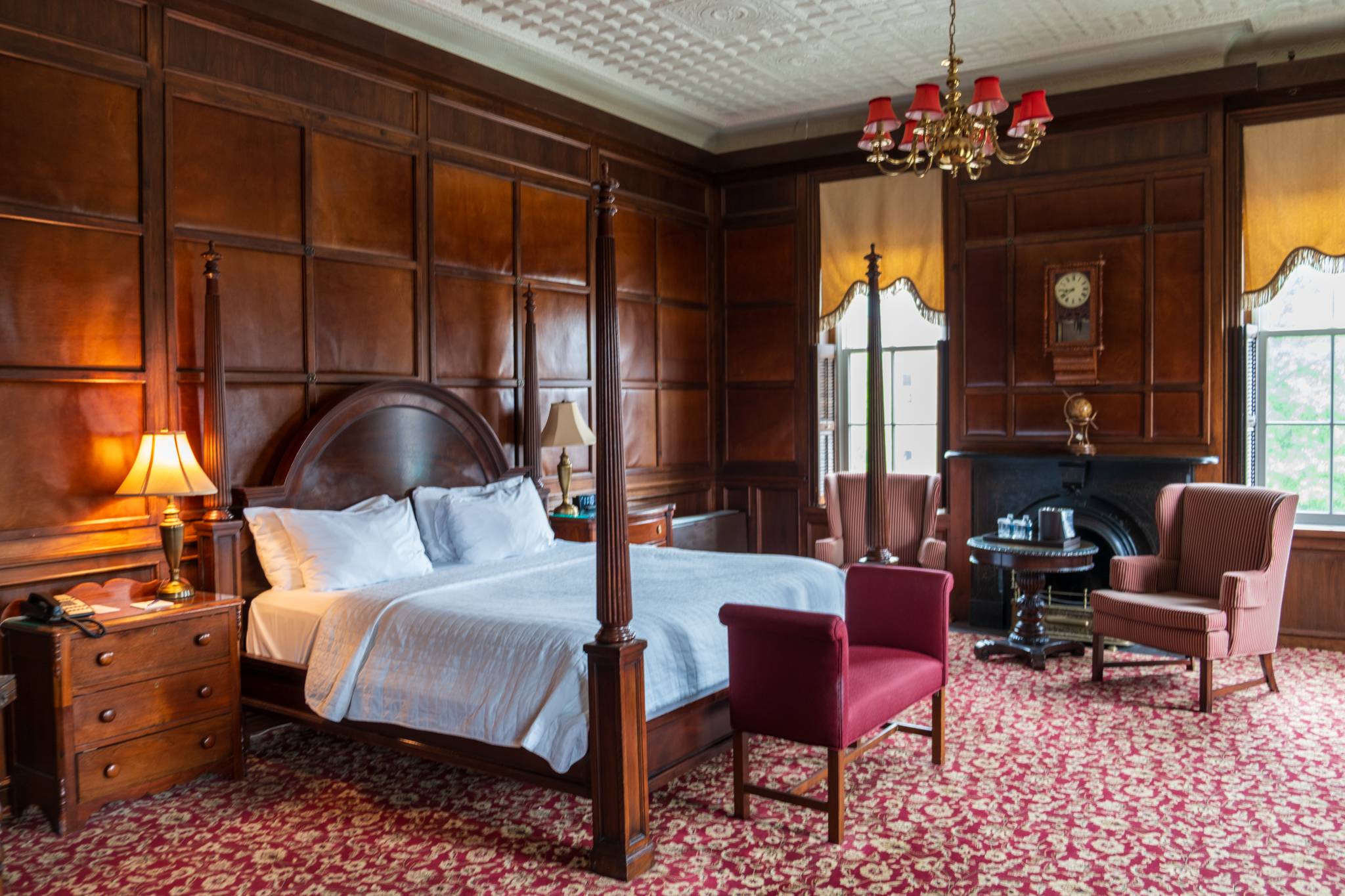
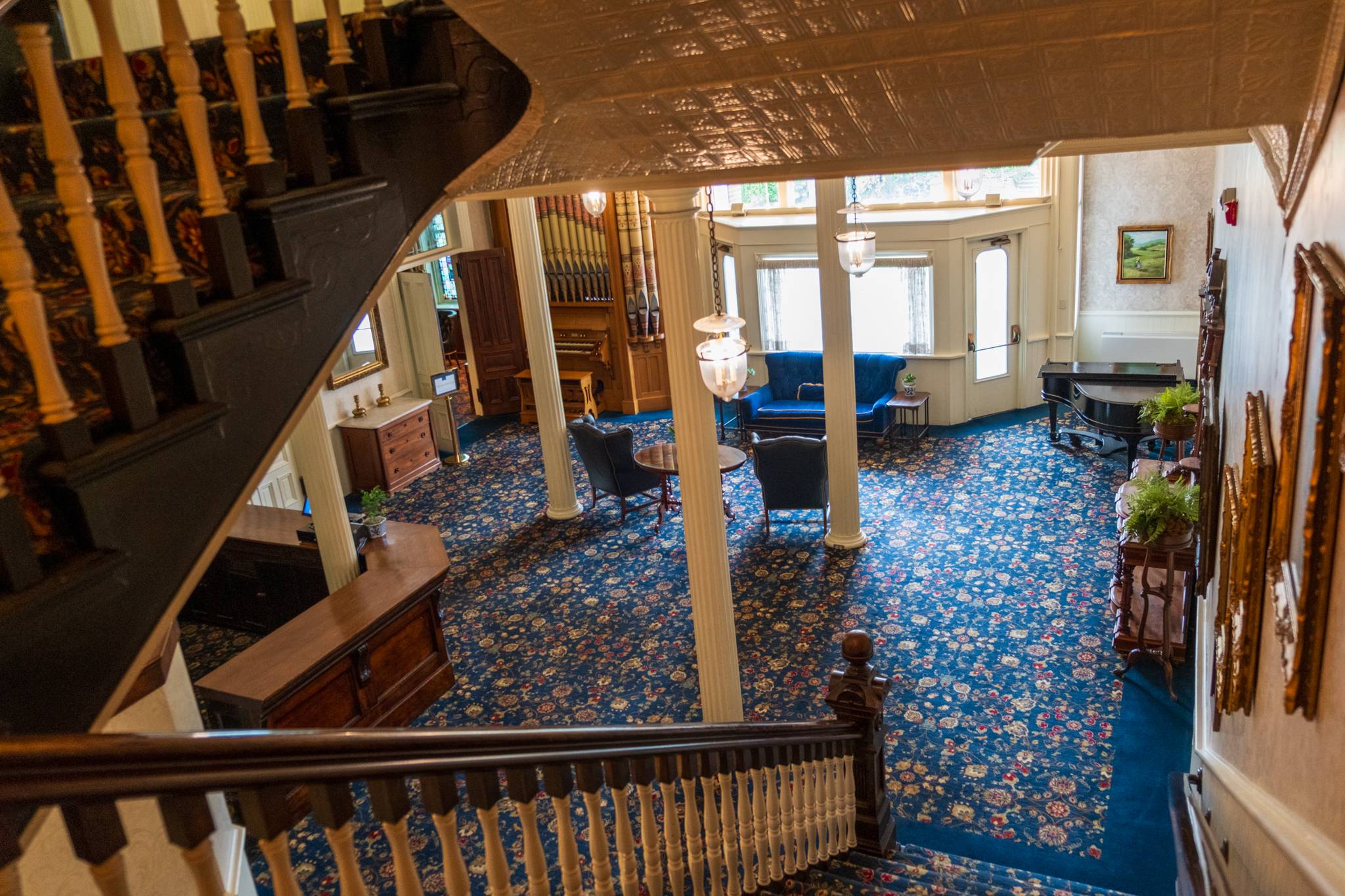
Clara LillybladClara and Art LillybladOne of the rooms in the historic sectionLooking down into Historic Lobby
Essential Spots
Scarlet Kitchen – serving an elevated breakfast, lunch or dinner from the main dining room as well as an outdoor patio terrace. The food and hospitality carry on the legacy of Clara Lillyblad.
The Port – in the basement lies an atmospherically moody and stately lounge where one can receive a cocktail drink and bold foods.
American Ski Jumping Hall of Fame and Museum – on the second floor of the Mezzanine Lobby is a small yet packed collection of items and information on the early history of ski jumping resulting in Red Wing being recognized as the birthplace of the sport.
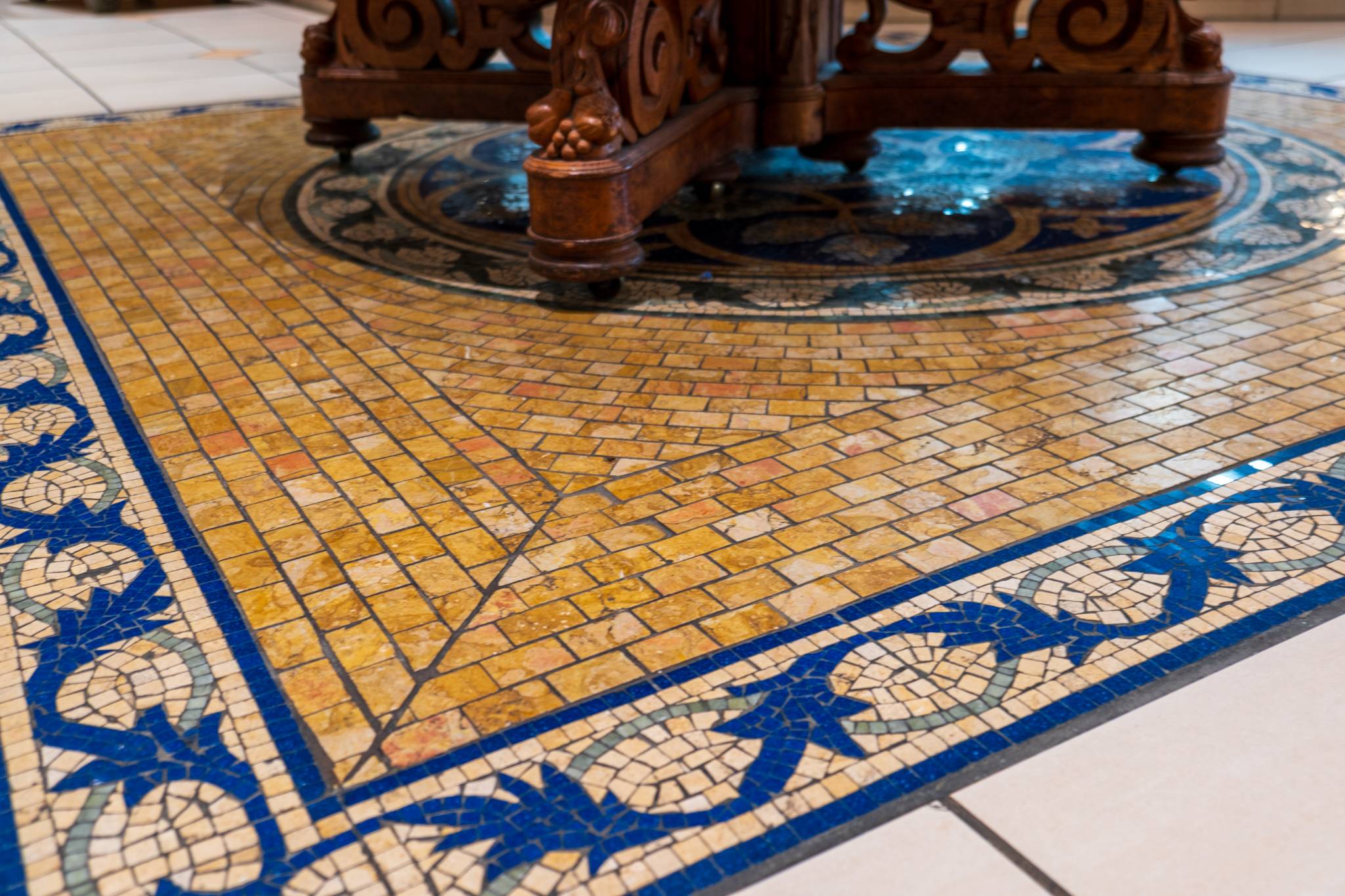
Historic Lobby & Library – just off the modern lobby is the original entrance and lobby to the hotel. This and the adjoining library are beautifully intimate spaces that allow for quiet moments surrounded by history.
Historic Guestrooms – each guestroom of the St. James is unique and each floor of the original hotel contains historical photos and items of the areas history.
Our Experience
We had the privilege of spending a few days at the St. James Hotel in June 2025.
Crossing the bridge from the Wisconsin side of the Mississippi, the small town of Red Wing seems to appear almost out of nowhere. It’s a town that makes no effort to hide its industrial past and present, yet still manages to welcome modern visitors with a wide array of offerings.
At the heart of this dynamic landscape stands the St. James Hotel, rising above the surrounding buildings. The ornate cornice and crowned, tall, narrow windows stand out strikingly against the red brick. All classic examples of the Italianate architecture.
Over the course of our two-day stay, we explored the fascinating historical displays within the hotel, enjoyed a beautifully prepared and presented meal at Scarlet Kitchen (absolutely delicious!), and sipped some inspired cocktails at The Port (the Scofflaw was especially memorable!).
Between those experiences, we spent time wandering the downtown area – shopping, sightseeing, and never once having a disappointing bite to eat or drink.
A heartfelt thank-you to the following individuals who made our stay even more special:
Hanna at the front desk—graciously kind and incredibly helpful
Jon from the maintenance team—generous with his time and gave us a passionate, behind-the-scenes tour of the property
Patrick our server at Scarlet Kitchen—an absolute pleasure to meet
Nearby Things
In addition to immersing inside the walls of the St. James, the following spots are all worth checking out.
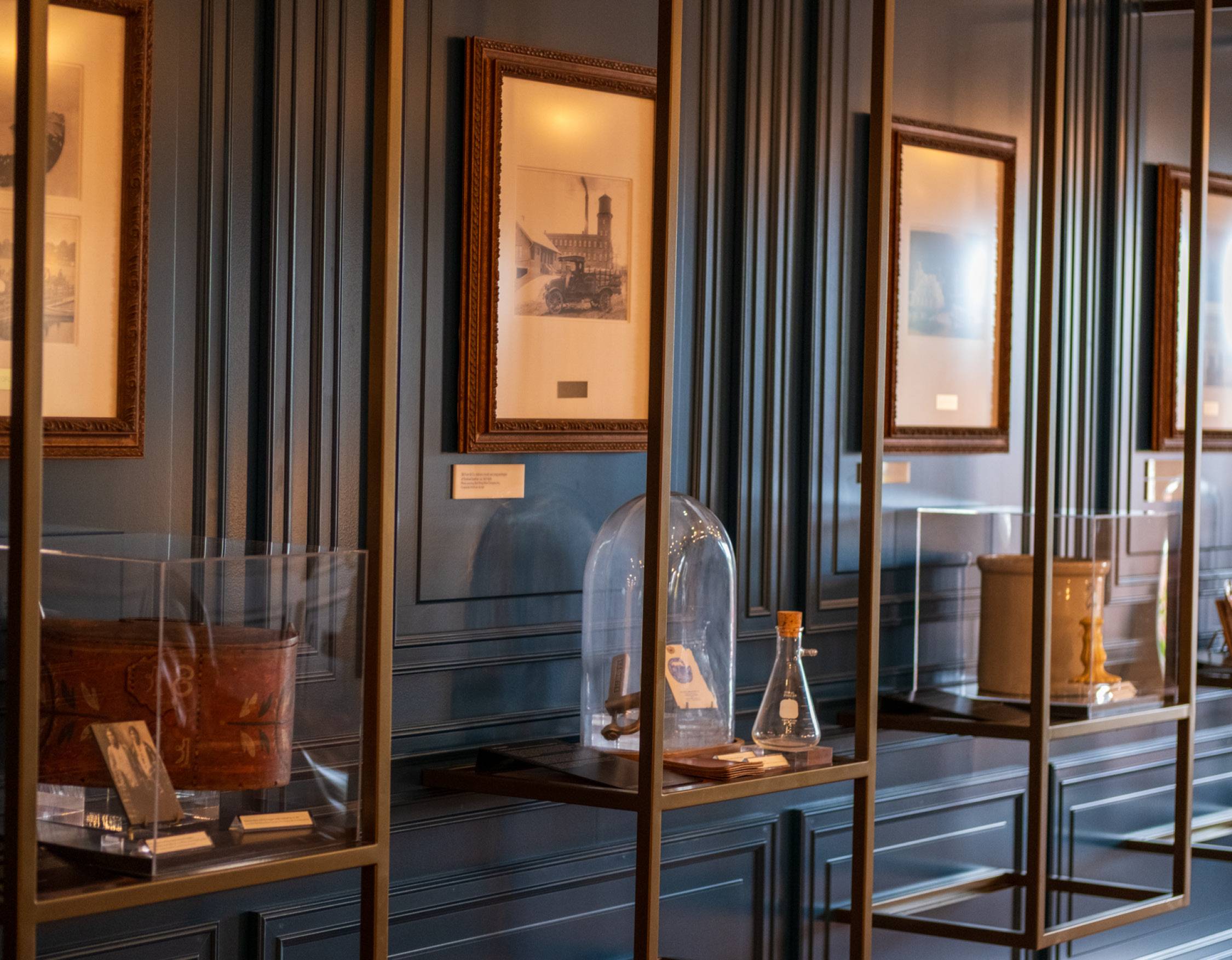
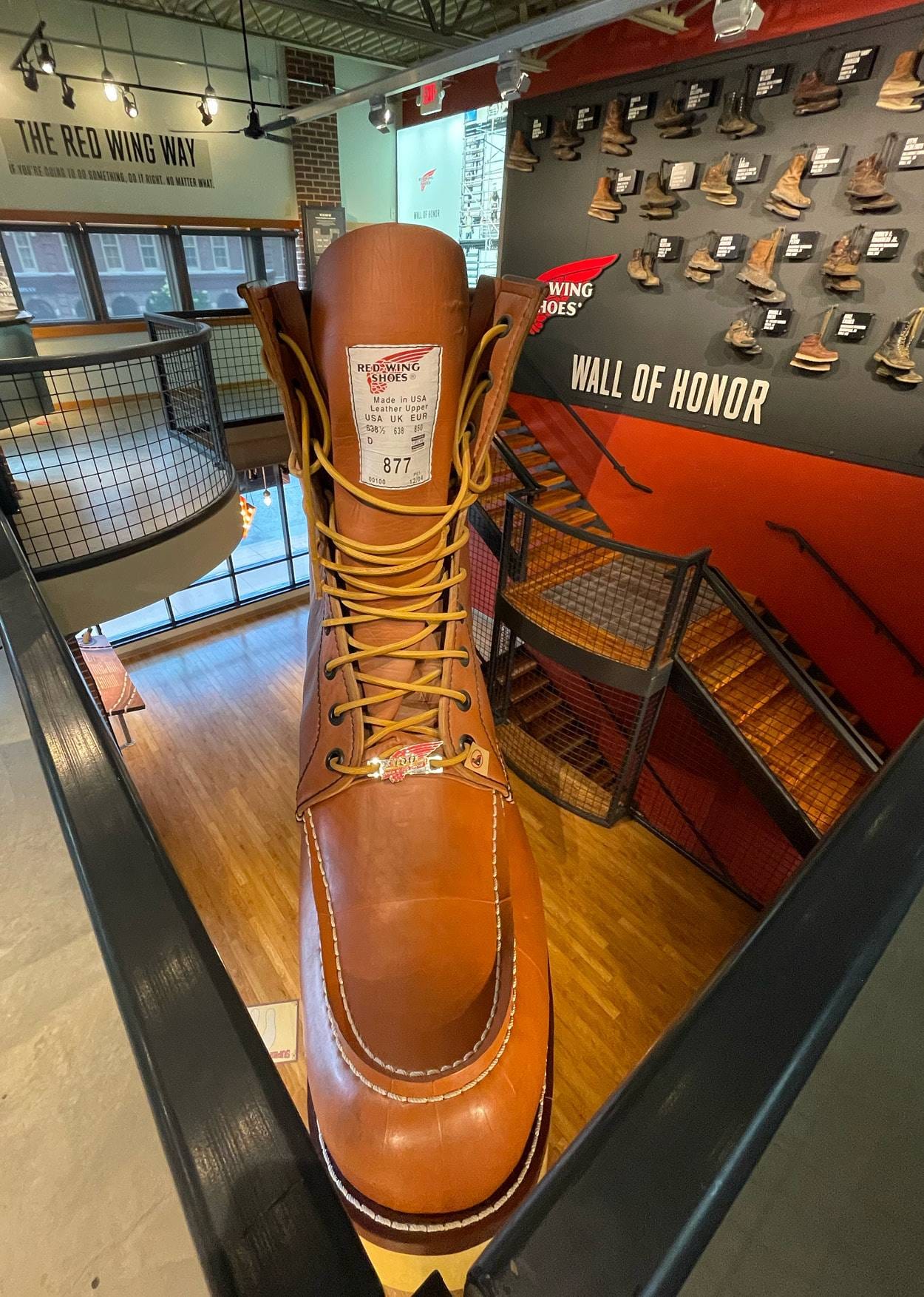
Red Wing Shoe Company Museum – inside the Red Wing Shoe Company’s flagship store is a museum highlighting the history of the celebrated brand
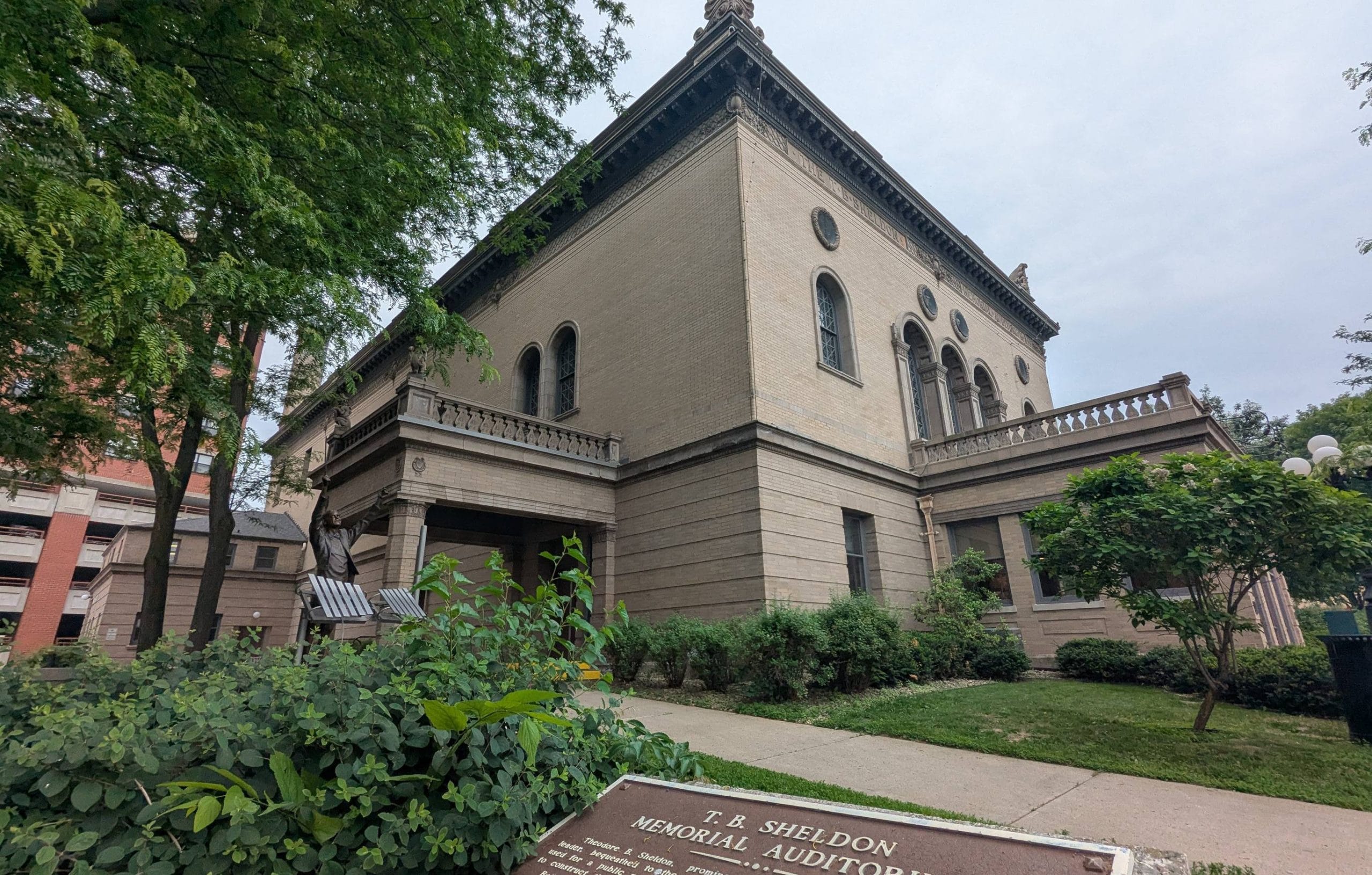
Sheldon Theater – this historic, ornate, venue built in the Renaissance Revival style first opened in 1904 and has held live performances and film showings over the years
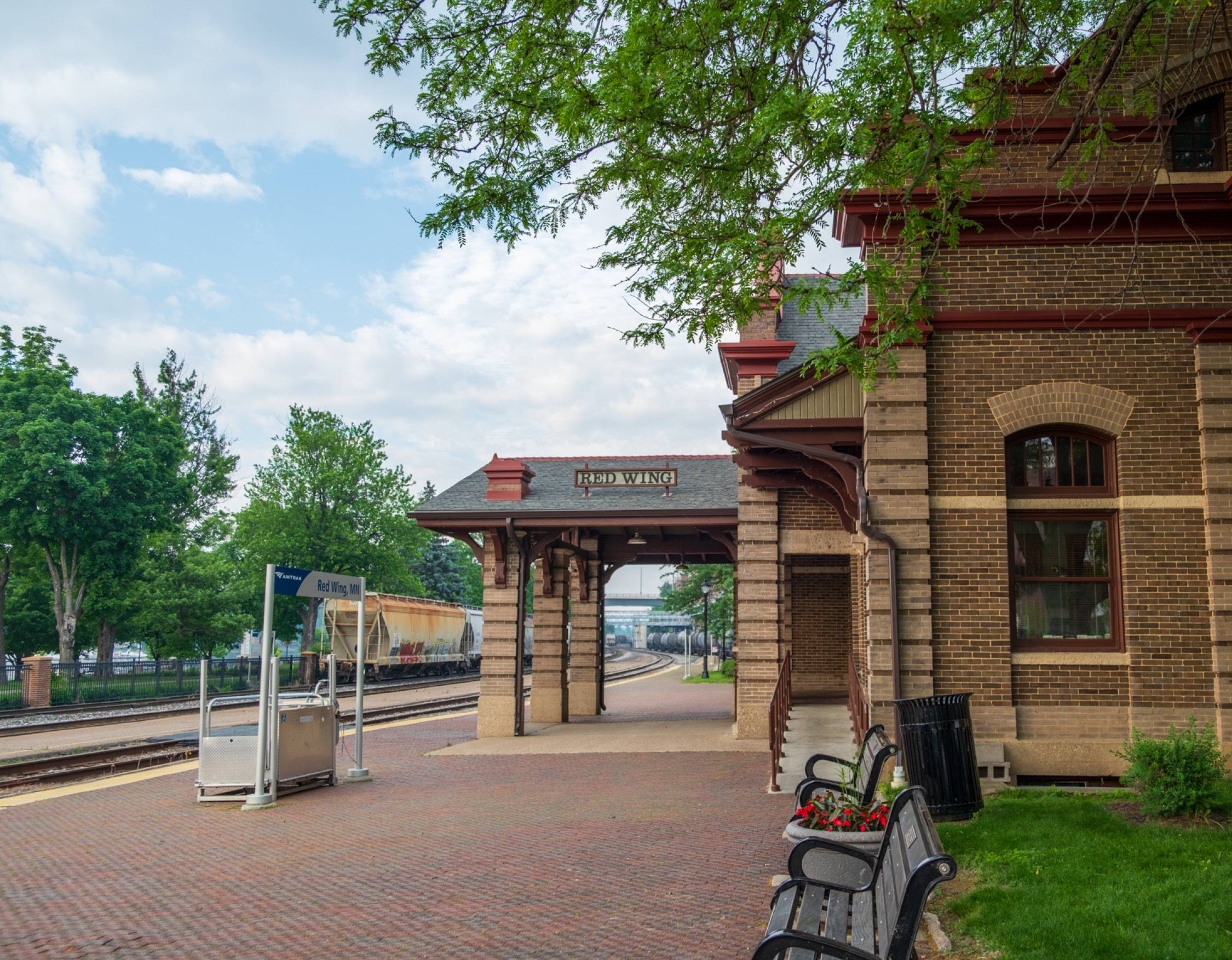
Red Wing Train Station – built in 1905 by the Chicago, Milwaukee, St. Paul, and Pacific Railroad, this neoclassical structure is located directly between the St. James hotel and the Mississippi River.
Pottery Museum of Red Wing – a vast collection and historical archive of the town’s stoneware contributions stretching back to 1861.
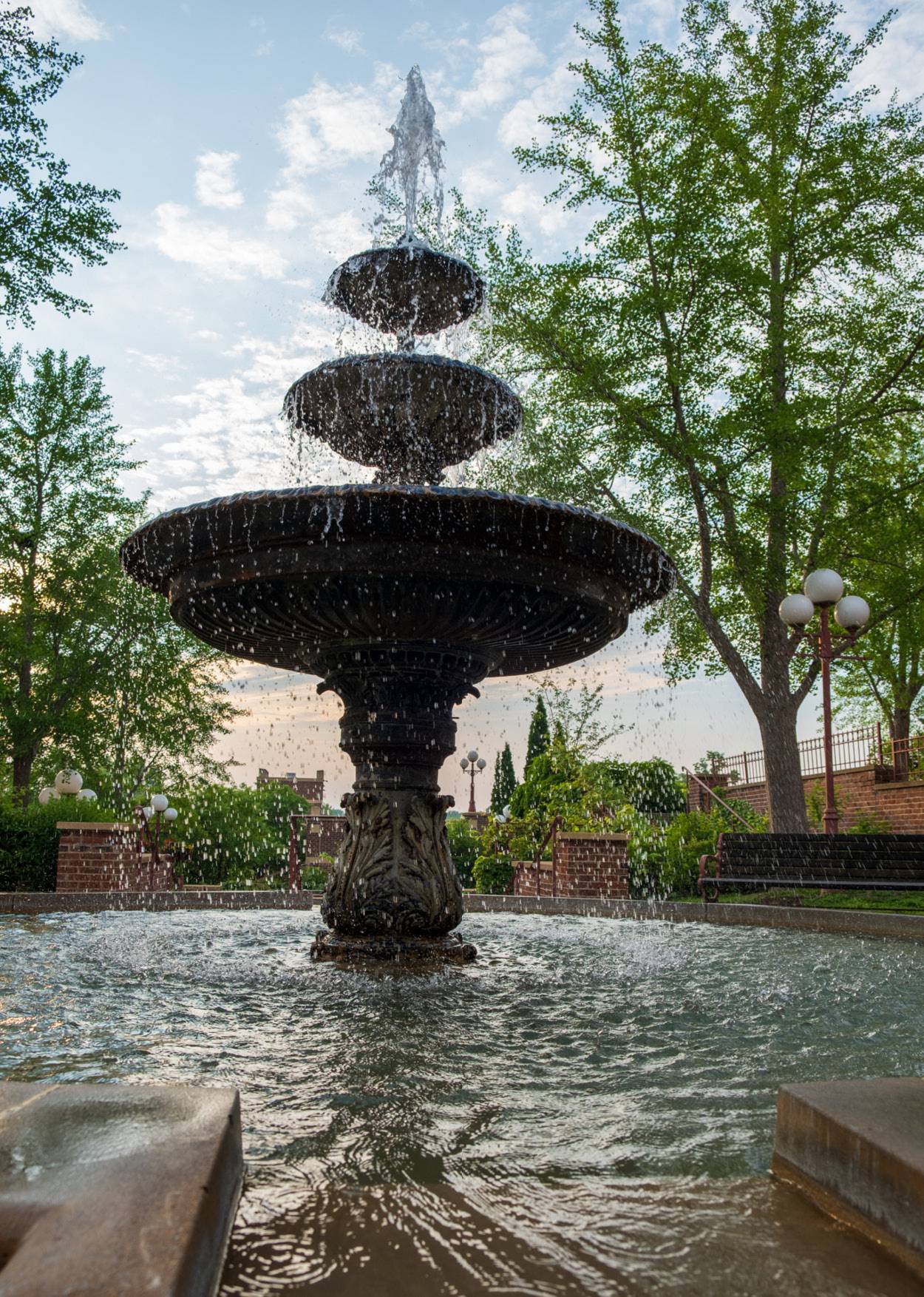
Sheldon TheaterFountain at Lagrange ParkRed Wing Train StationRed Wing Shoe Company Museum
✦ ✦ ✦
Sources
Goodhue County Historical Society
“The Story of Minnesota’s Past.” (1989) Rhonda, R. Gilman